Transparent LED Display Buying Guide 2026: Transparency, Brightness, Pixel Pitch, and Project Fit

Prepared for international LED display buyers, system integrators, architects, and engineering customers.
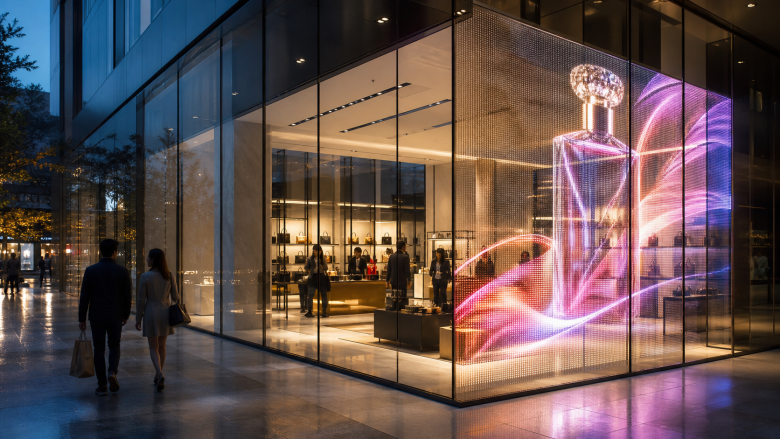
Transparent LED Display Buying Guide for 2026 Projects
Transparent LED displays are moving from novelty installations into practical commercial architecture. For retail windows, airport atriums, auto showrooms, museums, hospitality venues, and glass-walled corporate spaces, the appeal is clear: buyers can add dynamic digital content without completely blocking daylight, product visibility, or the architectural intent of the building. That makes transparent LED a different purchase from a conventional indoor LED wall. The best screen is not simply the highest resolution option; it is the product that balances transparency, brightness, pixel pitch, mounting depth, content type, maintenance access, and structural limits.
Recent market research supports the direction of travel. Grand View Research reported in June 2026 that the broader transparent display market was estimated at USD 5.8 billion in 2026, while Mordor Intelligence estimated USD 4.91 billion for 2026 and highlighted retail, transportation, and automotive use cases. The exact numbers vary by methodology, but the message for procurement teams is consistent: transparent display demand is expanding, and buyers should evaluate these systems as long-term architectural media infrastructure rather than short-lived promotional screens.
What Makes a Transparent LED Display Different?
A transparent LED display uses spaced LED strips, mesh, film, or glass-mounted modules so viewers can see both the image and the environment behind it. This design creates a technical tradeoff. More open space usually means higher transparency and better daylight transmission, but fewer pixels per square meter. Tighter pixel pitch improves image detail, yet it can reduce transparency, add weight, and increase power density. For a storefront viewed from 3 to 8 meters away, a P3.9 or similar class may work well. For a high atrium, media facade, or airport concourse viewed from longer distances, wider pitches such as 10 mm, 15 mm, 20 mm, or 25 mm can preserve openness while still delivering visible motion graphics.
Manufacturer specifications show the range. Nanolumens lists transparent LED pitches from 10 mm to 25 mm with transparency values rising from 35% to 65% depending on pitch and a maximum brightness of 6,000 nits. LG's transparent LED film specification lists a 13.7 mm pitch, 4,000-nit typical brightness, and 53% typical transmittance. Other product lines advertise higher transparency values for film-like products, but buyers should always compare the test method, viewing distance, brightness setting, and installed structure before treating headline transparency as an apples-to-apples number.

Key Specifications Buyers Should Compare
Transparency and Image Impact
Transparency is often the first selling point, but it should be tied to the business goal. A luxury retailer may need customers to see merchandise through the glass during the day, while a nighttime entertainment district may accept lower transparency for stronger color and contrast. Ask suppliers to show transparent content, dark content, and inactive-screen appearance under realistic light. A transparent display that looks impressive in a dark demo room may perform very differently on a sun-facing facade.
Brightness and Ambient Light
Indoor transparent LED screens may operate acceptably at lower brightness, especially in controlled showrooms. Glass-facing retail and transportation projects usually need much higher output because the display competes with daylight, reflections, and exterior light. Product examples commonly range from around 3,000 to 6,000 nits, with some indoor products below that range. The practical question is not only maximum brightness, but whether the display can maintain color consistency, thermal stability, and acceptable power consumption at the brightness level the site actually needs.
Pixel Pitch and Viewing Distance
Pixel pitch should be selected from the expected audience distance. A smaller pitch improves text legibility and product-detail imagery at close range, but it can reduce transparency and raise cost. Wider-pitch mesh is often better for large glass walls, atriums, and facade-scale motion content. Procurement teams should request a content mockup at the real viewing distance instead of judging pitch from a catalog image. If the installation must show fine text, menu information, or product pricing, transparent LED may need a tighter pitch or should be paired with conventional displays for detail-heavy content.
Installation, Weight, and Service Access
Transparent LED installations interact directly with architecture. Before ordering, confirm glass load limits, mounting depth, cable routing, ventilation, fire and electrical compliance, cleaning access, and whether front service is possible. Retail windows often need slim frames and tidy cabling because the back of the display is visible from inside the store. Airports, museums, and multi-story atriums may require planned access from catwalks, lifts, or rear service corridors. Service strategy should be included in the quotation, not discovered after installation.
Application Advice for Common Projects
Retail window projects should prioritize a balanced pitch, high transparency, clean inactive appearance, and content that complements merchandise rather than covering it. Transparent LED works best when the creative direction uses motion, color fields, product silhouettes, and seasonal campaigns, not dense paragraphs of text. For luxury brands, the screen should enhance the storefront's depth and lighting rather than flatten the window into a normal billboard.
Airport and mall atrium projects usually involve larger viewing distances and strong daylight. Here, transparency and structural integration may matter more than fine resolution. Buyers should review brightness, wind or air-flow considerations for suspended structures, content management permissions, and maintenance access. Large transparent LED installations also need careful coordination between AV integrators, facade contractors, electrical teams, and fire-safety stakeholders.

Corporate lobbies, museums, and hospitality venues can use transparent LED as an experience layer: wayfinding, art, brand stories, donor recognition, or event messaging. In these applications, silent operation, color quality, low visual clutter, and integration with media servers or building control systems can matter as much as raw brightness. For showrooms and product launches, rental or semi-permanent transparent LED may be appropriate if the structure allows repeated setup without damaging glass.
Site condition | Record glass size, sun direction, indoor lighting, audience distance, cable paths, mounting options, and service access before choosing pitch. |
Visual target | Decide whether the screen is for close product detail, large motion graphics, brand ambience, wayfinding, or facade-scale advertising. |
Core specs | Compare pixel pitch, transparency percentage, brightness, refresh rate, viewing angle, weight, IP rating, power consumption, and service method. |
Content plan | Ask for real content tests using the buyer's colors, contrast levels, text sizes, and day/night operating conditions. |
Supplier scope | Confirm design support, production, installation guidance, commissioning, spare modules, training, warranty, and after-sales service. |
How XFOX LED Can Support Transparent LED Projects
XFOX LED is positioned as a professional LED display solutions manufacturer and engineering solution provider. For transparent LED projects, the most useful supplier role is not simply quoting square meters. Buyers need scheme design, production coordination, installation planning, commissioning support, and responsive after-sales service. XFOX LED can support international customers across outdoor LED displays, indoor LED displays, rental stage LED walls, transparent LED screens, flexible modules, and creative LED displays, using a one-stop approach for commercial and engineering projects.
For early-stage planning, prepare glass drawings, photos or videos of the site, viewing distance, operating hours, target content type, and any local compliance requirements. A qualified LED display partner can then recommend whether transparent LED film, mesh, cabinet-based transparent LED, or another display format is the right fit.
Conclusion
Transparent LED display buying in 2026 is about balance. The right solution protects daylight and architectural visibility while delivering enough brightness, image clarity, reliability, and serviceability for the real site. Procurement teams should avoid choosing by transparency percentage alone. Instead, evaluate the whole system: pitch, brightness, content, glass integration, thermal behavior, maintenance access, warranty, and supplier engineering support.
If your team is planning a retail window, glass facade, airport atrium, showroom, or creative commercial display, contact XFOX LED to discuss a project-specific transparent LED display solution.
Website: https://www.xfoxledwall.com
Email: frank061800@gmail.com
WhatsApp: +86 13422119593


Comments